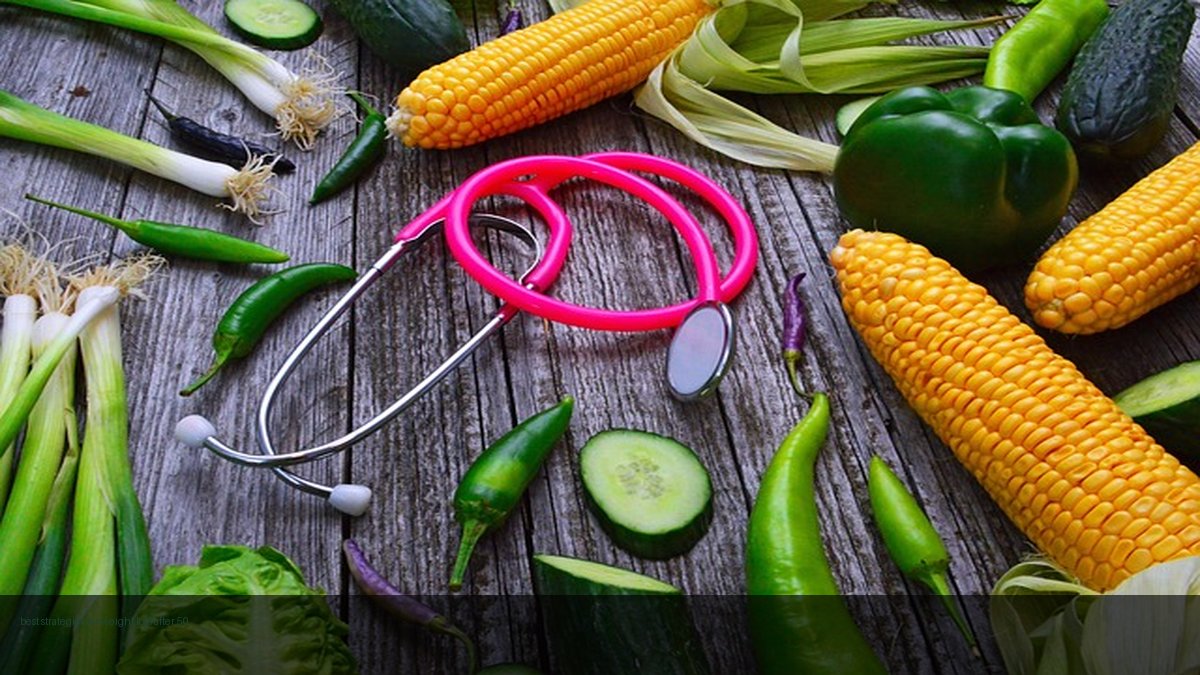
Getting older doesn’t mean you have to give up on your health or weight goals. Here's the thing: losing weight after 50 takes a different approach than it did when you were younger. Understanding your body’s changes is crucial.
Understanding Metabolic Changes
Truth be told, as we age, our metabolism slows down. This means you might not burn calories as efficiently as you once did. Hormonal changes, especially during menopause for women, can also play a significant role in weight gain and distribution. How to manage hunger in a calorie deficit.
So, what does this mean for your weight loss strategies? You need to be more mindful of your caloric intake and how you fuel your body. Why Calories Aren't Always Enough for Weight Loss: The Real Reasons.
Smart Dietary Choices
Now, let’s talk diet. You don’t have to completely overhaul your eating habits, but some smart choices can make a big difference. Think of it this way: focus on nutrient-dense foods that provide the vitamins and minerals your body needs without a ton of empty calories. Apple Cider Vinegar Weight Loss Results: What You Need to Know.
Incorporate plenty of fruits, vegetables, whole grains, and lean proteins. These food groups not only keep you full but also support muscle maintenance, which is super important since we naturally lose muscle mass as we age.
- Increase fiber intake to aid digestion and keep you feeling full.
- Opt for lean proteins like chicken, fish, beans, and legumes.
- Stay hydrated; sometimes thirst is mistaken for hunger.
Incorporating Exercise Wisely
But let’s not forget exercise! It’s not just about calories in versus calories out; it’s also about how you move your body. Regular physical activity can help kickstart your metabolism and preserve muscle mass. As you age, strength training becomes increasingly important.
You don’t have to lift heavy weights; even bodyweight exercises can be effective. And don’t shy away from flexibility and balance training—these are key to preventing injuries.
For more detailed information, see learn more.
Mindful Eating and Portion Control
Here's the thing: how you eat matters just as much as what you eat. Mindful eating can help you develop a healthier relationship with food. This means being present during meals, savoring every bite, and recognizing your body’s hunger cues.
And let’s not overlook portion control. As we age, our bodies often require fewer calories than they did in our youth, so be conscious of serving sizes. You might find that smaller, more frequent meals work better for you.
Lifestyle Changes for Long-Term Success
And this is crucial—lifestyle changes can significantly impact weight loss success. Stress, sleep, and social interactions all play a role in your health and weight management. Poor sleep can lead to increased cravings and weight gain, while chronic stress can sabotage your efforts.
Aim to get quality sleep and find stress-relief techniques that work for you, whether that’s meditation, yoga, or even a good book. Social support can also enhance your motivation; consider joining a fitness class or a weight loss group.
Frequently Asked Questions
What are the best diets for weight loss after 50?
Diets rich in whole foods, high in fiber, and low in processed sugars are ideal. The Mediterranean diet is often recommended.
How much exercise should I do for weight loss?
Aim for at least 150 minutes of moderate aerobic activity and strength training twice a week.
Can supplements help with weight loss after 50?
Some supplements might aid in weight loss, but they should complement a healthy diet and exercise regimen, not replace them. Learn more.