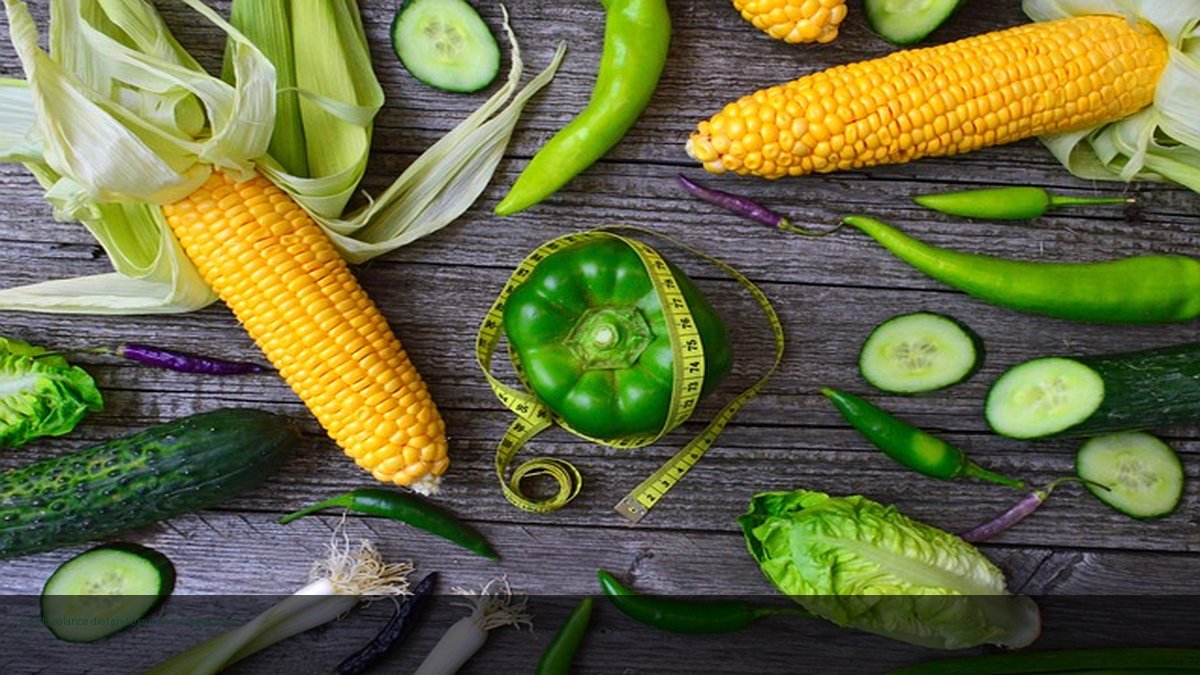
So, you want to lose weight? Here’s the kicker: it's not just about hitting the gym or counting calories. The real magic happens when you figure out how to balance diet and exercise effectively. Let's break it down.
Understanding the Basics of Weight Loss
First off, weight loss boils down to one main principle: burning more calories than you consume. Sounds simple, right? But, here’s the thing—it's not just about cutting calories. You’ve got to fuel your body with the right nutrients while keeping your activity levels up. Best High Protein Low Calorie Meal Prep Meals for Weight Loss.
Think of it this way: if you're eating a kale salad but then binge-watching Netflix all week, you might not see the results you want. It’s the classic case of being in a calorie deficit without the exercise component. Smart Strategies to Manage Cravings While Dieting.
Finding Your Caloric Balance
Now, let’s get into the nitty-gritty of caloric balance. You may have heard the term 'caloric deficit,' which refers to consuming fewer calories than your body needs to maintain its current weight. But just slashing calories can backfire by slowing down your metabolism. Can Drinking Water Before Meals Help with Weight Loss?.
Truth be told, figuring out your daily caloric needs involves knowing your Basal Metabolic Rate (BMR) and how much you burn through daily activities and workouts. You can use online calculators or consult a nutritionist to get a rough estimate.
- Calculate your BMR based on age, weight, height, and gender.
- Factor in your activity level to determine your total daily energy expenditure (TDEE).
The Role of Exercise in Weight Loss
But wait—exercise isn’t just about burning calories; it’s also about building muscle. And guess what? Muscle burns more calories at rest compared to fat. So, incorporating strength training into your routine is a game changer, especially if you're over 50. Need tips? Check out how to speed up your metabolism after 50.
Cardio plays its role too, of course. Activities like running, cycling, or even brisk walking help increase your caloric burn. A solid mix of both cardio and strength training can really ramp up your weight loss efforts.
For more detailed information, see learn more.
Nailing Your Nutrition
Let’s talk food. Eating a balanced diet rich in whole foods—think fruits, veggies, lean proteins, and healthy fats—will keep you feeling full and satisfied. And if you're looking for a way to up your protein intake, which is crucial for muscle recovery and weight loss, check out this guide on boosting protein intake.
But don’t forget about hydration! Sometimes we mistake thirst for hunger. Staying hydrated can help curb those pesky cravings.
- Plan meals ahead to avoid last-minute unhealthy choices.
- Incorporate snacks that are high in protein and fiber.
Tracking Progress and Staying Motivated
You’ve got your plan, but how do you know it’s working? Tracking your progress can keep you motivated. Apps, journals, or even simple spreadsheets can help you monitor your food intake, exercise, and weight changes.
And if you hit a plateau, don’t panic. It happens to everyone. Sometimes, your body just needs a little adjustment. If you're curious about why you might not be losing weight despite being in a calorie deficit, check out this article on why you may not be losing weight.
Frequently Asked Questions
How much exercise do I need for weight loss?
Aim for at least 150 minutes of moderate aerobic activity a week, plus strength training twice a week.
Can I lose weight without exercising?
Yes, weight loss can be achieved through diet alone, but exercise helps maintain muscle mass and boosts metabolism.
What should I eat while trying to lose weight?
Focus on whole foods, including fruits, vegetables, lean proteins, and healthy fats, and avoid processed foods.