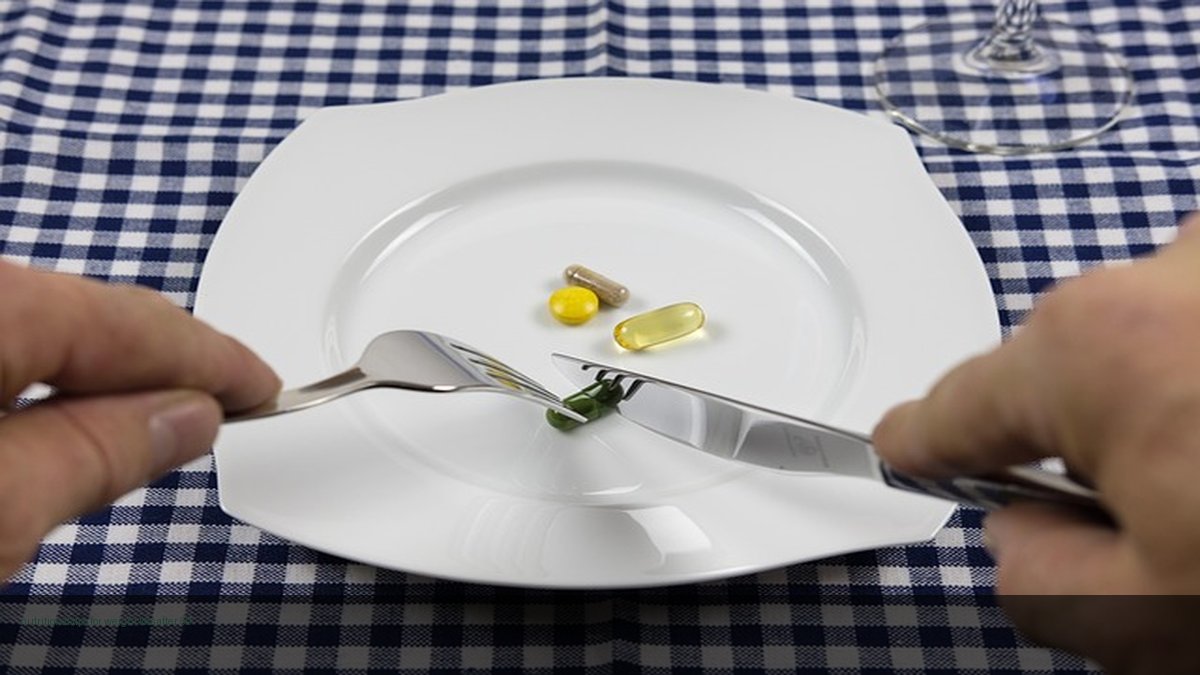
As we age, weight loss can feel like a daunting challenge, especially after 50. But with the right nutritional strategies, it’s possible to shed those extra pounds while maintaining overall health. Here’s what you need to know.
Understanding Your Body's Changes
Here's the thing: our bodies undergo significant changes as we hit the big five-oh. Metabolism starts to slow down, muscle mass can decrease, and hormonal changes can make weight loss trickier. But don’t let that discourage you! Understanding these changes is the first step to adapting your diet accordingly. Effective Strategies to Lose Belly Fat Without Gaining Muscle.
Think of it this way: if you know your metabolism isn't as fast as it used to be, you can adjust your caloric intake. This means being more mindful about what you're eating and how much. It's not just about cutting calories—it's about making smarter choices. How to stay motivated while losing weight.
Focus on Nutrient-Dense Foods
Truth be told, not all calories are created equal. You want to fill your plate with nutrient-dense foods that offer vitamins and minerals without a lot of empty calories. Foods like leafy greens, berries, nuts, and lean proteins should become staples in your diet. How to burn fat in a calorie deficit.
And don't forget about fiber! High-fiber foods, like whole grains and legumes, keep you feeling full longer. This can help curb those pesky cravings that tend to sneak up on you.
- Leafy greens (spinach, kale)
- Berries (blueberries, strawberries)
- Nuts and seeds (almonds, chia seeds)
- Lean proteins (chicken, fish, tofu)
Protein is Your Best Friend
Let’s talk protein. This macronutrient is essential, especially if you’re trying to maintain muscle mass while losing weight. Research shows that increasing your protein intake can help preserve muscle during weight loss, which is crucial for keeping your metabolism revved up.
You might be wondering how much protein you need. A good rule of thumb is to aim for about 0.8 to 1.0 grams of protein per kilogram of body weight. So, if you weigh 70 kg, that’s around 56-70 grams of protein daily. Incorporating sources like Greek yogurt, eggs, and legumes can help you hit that target.
For more detailed information, see source.
Stay Hydrated and Mindful of Portions
Hydration is often overlooked but is super important. Did you know that sometimes our bodies confuse thirst for hunger? Keeping hydrated can help you avoid unnecessary snacking. Aim for at least 8 glasses of water a day, and consider adding herbal teas or infusing water with fruits for some flavor.
And about those portions: as we age, our caloric needs generally decrease. So, you might need to cut back on portion sizes even if you’re eating healthy foods. Try using smaller plates or bowls to help manage your portions. It’s a little trick that can make a big difference.
Combine Nutrition with Exercise
You can't really talk about weight loss without mentioning exercise. But here's the kicker: nutrition and physical activity go hand in hand. Engaging in regular physical activity can help boost your metabolism and improve your overall health. Plus, it allows you to enjoy a little more flexibility with your diet.
So, whether it’s walking, swimming, or doing yoga, find something you enjoy. And don’t forget to check out our article on Ways to enhance fat burning during exercise for more tips.
Frequently Asked Questions
What are the best foods for weight loss after 50?
Focus on nutrient-dense foods like leafy greens, lean proteins, and whole grains.
How much protein should I consume daily?
Aim for about 0.8 to 1.0 grams of protein per kilogram of body weight.
How can hydration help with weight loss?
Staying hydrated can prevent mistaking thirst for hunger, helping you avoid unnecessary snacks.